
Kitchen Tile Ideas for Ottawa Homes: Choosing the Right Material
August 17, 2026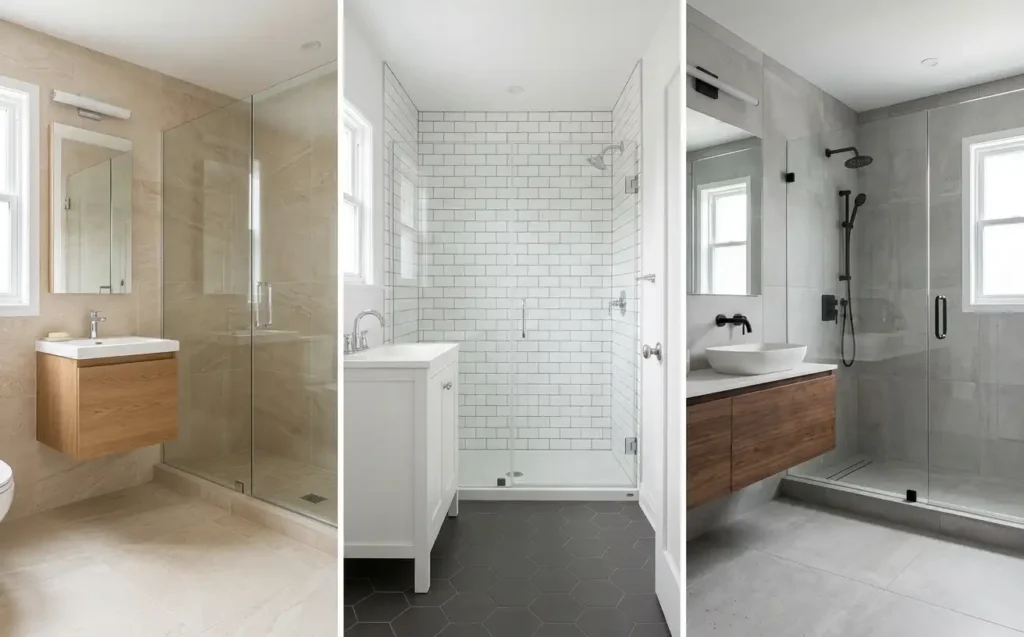
Bathrooms are the hardest tile job in the house, and the one most people underestimate. The floor needs to be grippy when wet. The shower needs to be waterproof under pressure. The walls need to work in a small room where every seam is close to eye level. And all of it has to look right under harsh overhead lighting, usually without the softening help of fabric, furniture, or anything else that forgives a bad choice.
That makes bathroom tile selection genuinely different from kitchen tile selection, and it’s why a product that’s perfect for a backsplash can be the wrong answer two metres away. If you’re starting from scratch, our full ottawa tiles range covers everything we carry, and this guide sets out how to choose within it.
The Three Tile Jobs in a Bathroom
A bathroom asks tile to do three different jobs, and the right product for each is rarely the same.
Floor tile has to be hard, slip-resistant when wet, and comfortable enough to stand on barefoot. Wall tile has to look right at close range and resist humidity, but it isn’t walked on, so hardness matters less. Shower tile has to be waterproof as a system, which means the tile, the grout, the waterproofing membrane beneath, and the slope of the floor are all part of the same job.
Treating all three as one decision is the single most common mistake, and it’s how homeowners end up with a beautiful bathroom that’s slippery, cold, or leaking.
Floor Tile: Grip Matters More Than Looks
Start with the specification almost nobody asks about: slip resistance.
Tile is rated for slip resistance, and bathroom floors need a rating that holds up when the surface is wet. Polished porcelain in a photograph looks spectacular and in a steamy ensuite is a hospital visit waiting to happen. Textured, honed, or matte porcelain gives you grip without giving up appearance.
Size matters too, and it matters in a way most showrooms don’t explain. Large-format floor tiles look expansive and make a small bathroom read larger, but they need a dead-flat subfloor and crisp grout lines to work. Smaller tiles, including mosaic sheets, follow a sloped shower floor better and give more grip per square foot through the sheer number of grout lines, which is why they dominate shower pans.
Our comparison of porcelain tile vs ceramic tile covers which material belongs on a bathroom floor and which belongs on the wall. The short version: porcelain for floors, ceramic for walls when budget matters, porcelain for walls when it doesn’t.
Wall Tile: Where You Can Have Fun
The walls are where bathrooms earn their character, and the rules relax considerably once you’re off the floor.
You can use softer, more decorative tiles here. Ceramic subway tile in a herringbone layout, zellige, hand-glazed finishes, patterned encaustic looks: all of it works on a wall in a way it couldn’t on a floor. The constraint is humidity rather than wear, so the tile needs to tolerate steam and periodic water contact without staining.
Grout colour is a decision on its own. White grout with white subway tile keeps the look crisp and classic but shows every speck of soap scum. Darker grout against light tile reads graphic and modern and forgives more. Matching grout to tile makes the wall read as one plane rather than a grid, which suits large-format tiles especially well.
Height matters more than people think. Tiling to the ceiling makes a small bathroom read taller and more considered. Tiling to a chair-rail height reads traditional and costs less. Full-height feature walls behind a vanity or tub focus the eye without demanding tile everywhere.
Shower Tile: It’s a System
Shower tile is where most bathroom failures start, and almost all of them trace to what’s underneath.
A shower is a waterproofing system first and a tile project second. Behind the tile sits a membrane, the floor slopes to the drain, the corners are sealed, and the entire assembly has to shed water without ever absorbing it. Tile is the finish on a system that has to work regardless of how beautiful the finish is.
Floor and wall tile choices follow from that. Shower floors want mosaic or small-format tile for both grip and slope-following. Shower walls take almost anything, including large-format slabs that minimise grout lines in a wet area where grout is the maintenance item. Niches, benches, and curbs all need to be waterproofed before they get tiled, and the slope on a niche shelf matters: without it, water pools and eventually fails the grout.
Shower tile installation is the one job in a bathroom that genuinely rewards experience, and our professional flooring installation service covers tile as well as every other floor type. Our pre-installation checklist covers how to prepare the room before the crew arrives.
Current Looks That Suit Ottawa Bathrooms
A few directions have taken over, and each one works differently in our homes.
Warm Minimalism
The grey-and-white bathroom that dominated the 2010s is giving way to warmer palettes: beige, taupe, terracotta, and warm off-white. The look is calm rather than clinical, and it reads timeless rather than trendy. Warm wood vanities and brass or brushed-brass fixtures complete the picture, and the whole aesthetic connects naturally with the broader move toward warm wood tone flooring in Ottawa homes.
Natural Stone Looks in Porcelain
Real marble is beautiful and demanding, and most homeowners don’t want to seal their bathroom floor on a schedule. Porcelain in marble, limestone, and travertine looks has reached a point where the pattern variation and surface texture are convincing at any distance, and the floor needs none of the maintenance real stone demands.
Zellige and Hand-Made Looks
Hand-glazed Moroccan-style zellige tiles have moved from a trend to a classic. The slight irregularities in colour and surface catch light differently across the wall, giving the room depth that machine-perfect tile can’t replicate. It costs more and installs slower, but on a feature wall it earns its place.
Large-Format Slabs
Big porcelain slabs, sometimes 60 by 120 centimetres and larger, minimise grout lines dramatically. On a shower wall or behind a vanity, they read as stone rather than tile and transform small bathrooms. They need a flat substrate and skilled handling, but the finished look is unmatched.
Herringbone and Chevron
Classic layouts have come back strongly. Herringbone in subway tile on a wall, or in wood-look porcelain plank on a floor, adds movement to a small room without requiring any pattern or colour at all.
Underfoot Comfort: Heat Beneath the Tile
Tile is cold. That’s its nature, and in an Ottawa winter it’s a daily fact of life unless something is done about it.
Electric in-floor heating under bathroom tile is the single upgrade most homeowners who install it wish they’d done sooner. It isn’t expensive relative to the rest of the bathroom budget, it runs on a thermostat, and it transforms the room on a January morning. Any new bathroom tile installation is the right moment to install it, because retrofitting later means pulling the floor.
Our ottawa climate flooring guide covers how our seasons affect every flooring material, and tile is the one that benefits most from heat beneath it.
Grout, Caulk, and Maintenance
Tile is nearly indestructible, and grout isn’t.
Grout absorbs moisture, stains, and eventually breaks down at corners where movement is highest. Epoxy grout costs more and lasts far longer than cementitious grout, and it’s genuinely stain-resistant rather than merely stain-resistant-with-sealing. In a bathroom, it’s worth the premium.
Silicone caulk belongs where tile meets tub, where walls meet floor, and in internal corners that flex. Grout in those joints cracks within a year because it can’t flex, and the crack is where water gets in.
Ongoing maintenance is simple: wipe surfaces after showering, run the fan long enough to clear humidity, and reseal cementitious grout annually. Our broader hardwood floor care principles transfer to tile with one adjustment, which is paying attention to the grout rather than the finish.
How Bathroom Tile Fits with the Rest of Your Home
A bathroom doesn’t exist in isolation, and the tile choices should connect to what’s happening in the hallway and bedrooms around it.
Wood-look porcelain plank on a bathroom floor can carry the same visual line as hardwood or vinyl flooring elsewhere, giving continuity without putting real wood near a shower. Where the bathroom opens onto a hallway with wood, a thoughtful transition keeps the two reading as one home rather than two renovations. Our guide on a guide to flooring room transitions contrasting materials covers how to pull this off cleanly.
In a condo, acoustic ratings and strata requirements shape what’s permitted, and our guide to flooring for ottawa condos covers the STC and IIC ratings buildings typically require, including in bathrooms.
Budget Without Compromising the Essentials
Bathroom tile budgets vary enormously, and the one place not to save is on the shower waterproofing system.
The tile itself has a wide price range, and a modest tile beautifully installed looks better than a premium tile installed poorly. Where budget is tight, concentrate spend on the floor and the shower, and use less expensive wall tile elsewhere. A feature wall of premium tile reads as deliberate; a whole bathroom of mid-range tile reads as a whole bathroom.
See Tile at Full Size, Not on a Screen
Every tile looks different in person than it does online. Grout spacing, lighting, and sheer scale change the character of a tile at full size, and small samples in a showroom miss context the actual installation will have.
Visit our flooring showroom on Colonnade Road to see bathroom tile in realistic layouts, with the finishes and sizes you’re actually considering. Browse our room scenes gallery for design inspiration and review our our work portfolio for finished bathroom projects.
Planning a bathroom renovation? Contact our tile specialists or call 613-274-7977 to book an in-home consultation and see samples in your actual bathroom lighting.
